
What a Working Sales System Actually Looks Like in a Small Business
Imagine a typical appointment-based business owner. Let us call him Mark. Mark runs a successful local service company. His phone rings, leads come in from his website, and he gets referrals. On the surface, business is good. But behind the scenes, it is chaos. He is constantly missing follow-up calls, forgetting to send estimates, and has absolutely no idea what is actually happening in his sales pipeline. This is the reality for most small businesses today. They are generating leads, but they are losing them just as fast because they lack a structured sales system.
This article will show you exactly what a working sales system looks like in a small business, illustrating the transformation from manual chaos to automated predictability.
Before vs After the System
The transformation in Mark's business was night and day. Here is exactly how his operation shifted once a structured process was in place:
✕Before the System
- •Leads scattered across emails, texts, and voicemails with no central hub.
- •Inconsistent follow-up relying entirely on memory while driving.
- •Deals constantly getting lost due to quotes written on missing sticky notes.
- •No visibility into the sales pipeline, leading to failure under pressure.
✓After the System
- •Every lead captured automatically in one centralized place.
- •Automatic follow-up starts immediately, offering booking links.
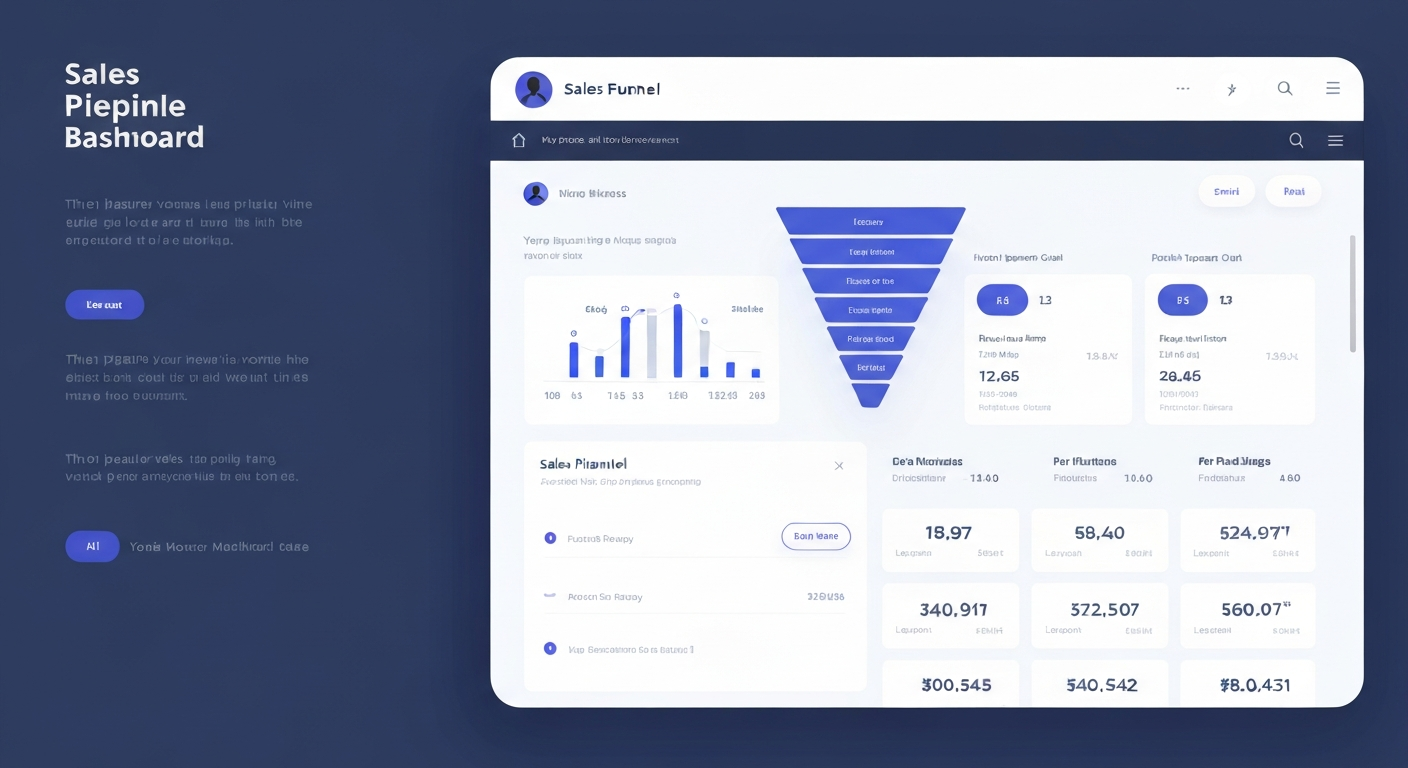
- •Clear pipeline visibility with defined deal stages.
- •No more guessing what to do next with a daily dashboard.
The Breaking Point
The breaking point came during his busiest season. Mark spent thousands of dollars on a new marketing campaign. The leads poured in, but he was too busy to answer the phone. Voicemails piled up. Emails went unanswered for days. By the time he finally reached out, the prospects had already hired his competitors.
He realized that his frustration was not just about being busy; it was about missed opportunities. He was paying for leads and then throwing them away because he could not manage the volume. He knew that if he wanted to grow his business without working 80 hours a week, something had to change. He needed a real small business sales system, not just a better memory.
What Changed
Mark made the decision to build a system. The most important part of this decision was recognizing that he did not just need to buy another piece of software. He had tried buying tools before, but they always ended up as expensive digital address books.
This time, he focused on structure and process. He mapped out exactly how a lead should be handled from the moment they contact his business to the moment they pay their invoice. He defined his pipeline stages and wrote out the exact messages he wanted to send at each stage. Only after the strategy was clear did he look for a way to automate it, realizing that true sales system implementation is about building a solution rather than just buying software.
Not sure where your pipeline is breaking down?
Take our quick assessment to identify gaps and see where you're losing deals.
Take the Sales Pipeline Health CheckTake the Sales PipelineHealth Check
What This Means Day to Day
For Mark, this new structure meant significantly less stress. He no longer woke up in the middle of the night wondering if he forgot to call someone back. His response times dropped from hours to minutes, instantly setting him apart from his competitors.
He experienced more consistent sales because his follow-up was relentless and automated. When he was on a job site, his system was working in the background, nurturing leads and booking appointments. This level of organization allowed him to make better decisions. If sales were slow, he could look at his pipeline and see exactly where the bottleneck was. He had clear pipeline visibility for the first time.
The Real Impact on Revenue
The financial impact of this sales system example was massive. Mark saw higher close rates simply because he was the first to respond and the most consistent to follow up. He had fewer missed leads, meaning his cost to acquire a customer dropped significantly.
He was making better use of his marketing spend. Before, he was wasting money generating leads he could not handle. Now, every dollar spent on marketing yielded a higher return because his conversion process was airtight. He was no longer leaving money on the table, proving the value of a properly structured sales system that tracks every deal.
What Most Businesses Get Wrong
The reason most businesses never achieve this level of predictability is that they rely on detached tools rather than cohesive processes. They sign up for a monthly subscription, import their contacts, and expect the software to do the work. They never build the structure required to make the platform valuable.
A database is just a list of names. A true system is a defined process for moving a stranger to a paying customer, supported by automation and clear pipeline stages. Until you build the system, the tool will never solve your problems.
Stop Losing Deals to Disorganization
Schedule a Strategy Call to build a system that actually works for your business.
Schedule a Strategy Call